
OUR PROJECTS
Our projects and collaborations play a key role in the way we address challenges and strive to ensure the sustainable future of our rangelands. Recognising the importance of research in facilitating informed decision-making, we actively maintain strong connections with the research community. Engaging in collaborative projects, we unite a diverse range of stakeholders.
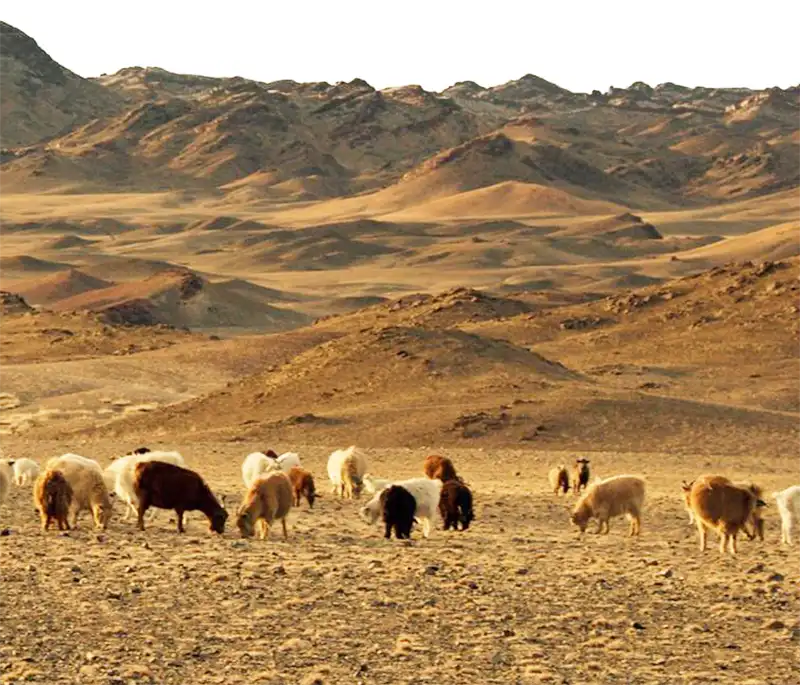
Global Rangelands Standard
The Global Rangelands Standard is a core component of the RSC’s voluntary sustainability system. It provides a globally applicable framework for responsible rangeland stewardship, setting out principles and requirements across diverse ecological, social and production contexts.
Developed through broad stakeholder engagement and technical review, the GRS brings together traditional and local knowledge with scientific understanding to support healthy ecosystems, resilient livelihoods, inclusive governance and responsible land management.
The Global Rangelands Standard is developed in partnership with the UNCCD, the SFA, and with the support of rangeland stakeholders. It is supported by the Global Environment Facility-funded STELARR (Sustainable Investments for Large-Scale Rangeland Restoration) Project, which is implemented by IUCN and executed by ILRI and partners.

Take part in our consultations.
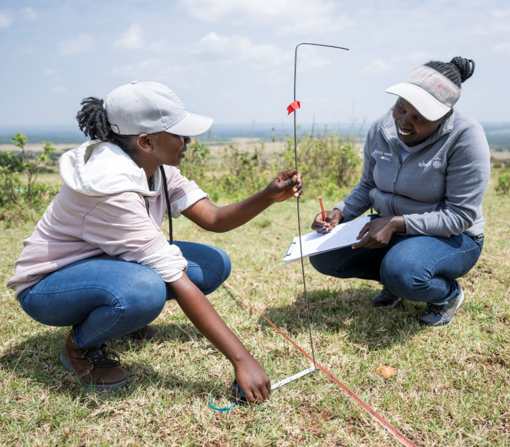
Global Rangeland Health Monitoring Framework
The Global Rangeland Health Monitoring Framework is being developed to provide a consistent approach for assessing rangeland condition and tracking change over time. It responds to gaps in rangeland data and the need for more comparable monitoring across landscapes.
Combining a core set of biophysical indicators with remote sensing, field-based monitoring and Traditional Ecological Knowledge, the Framework is designed to reflect different ecological and management contexts while generating credible evidence to support adaptive management, restoration, investment and decision-making.
The Global Rangeland Health Monitoring Framework is being developed in collaboration with the Landscape Alliance and SFA. Its development is supported through the Global Environment Facility-funded STELARR (Sustainable Investments for Large-Scale Rangeland Restoration) Project, implemented by IUCN and executed by ILRI and partners.

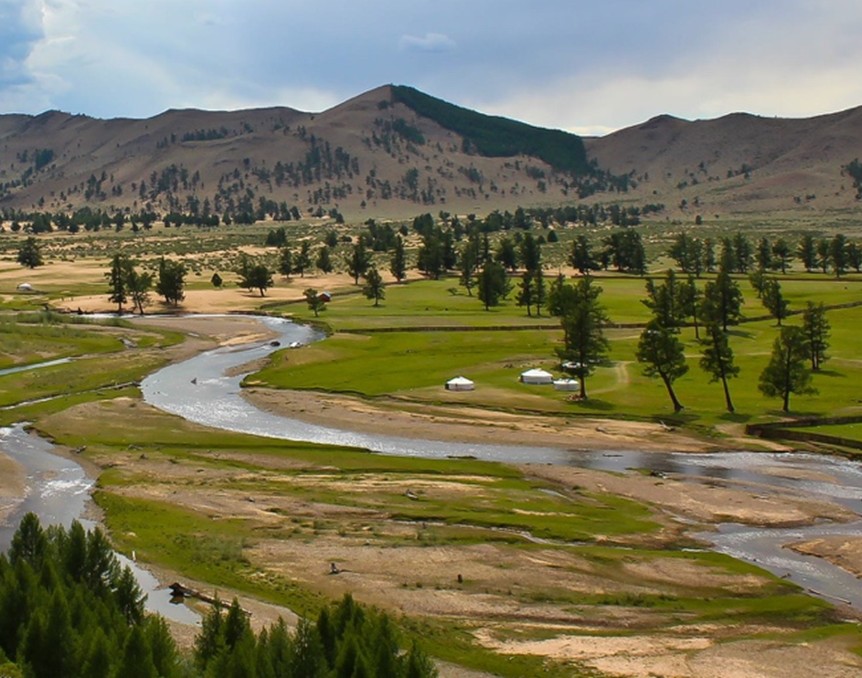
RESIA
RESIA (Rangelands Ecosystem Services Impact Assessment) is the RSC’s developing approach for demonstrating the ecosystem service benefits associated with responsible rangeland management. It provides a consistent and credible framework for assessing outcomes across biodiversity, carbon, water, soils, cultural values, recreation and pollination.
Drawing on scientific evidence, data-driven indicators and local and Indigenous knowledge, RESIA is designed to provide greater transparency for communities, producers, supply-chain partners and investors by providing credible evidence of the maintenance or improvement of ecosystem services over time. By linking measurable outcomes with credible claims, RESIA has the potential to support nature-positive investment, responsible sourcing and long-term improvements across rangeland landscapes.

TEK Research
Traditional Ecological Knowledge (TEK) reflects generations of observation and lived experience of land, livestock, weather and ecological change by pastoralist and Indigenous communities. As part of a wider global initiative on community knowledge, the Steppe research project is the first in a series of regional TEK studies the RSC is undertaking across rangeland countries. Through this initial project, the RSC is working to understand how these knowledge systems assess rangeland health, and how TEK can complement scientific and data-driven monitoring to provide a fuller picture of ecosystem conditions.
By integrating TEK into monitoring and decision-making, the RSC supports more holistic monitoring, recognises community expertise and helps ensure that sustainable management approaches reflect locally observed conditions.
The TEK Steppe Project is supported by ISEAL (International Social Environmental Accreditation and Labelling) and conducted in collaboration with the SFA (Sustainable Fibre Alliance).

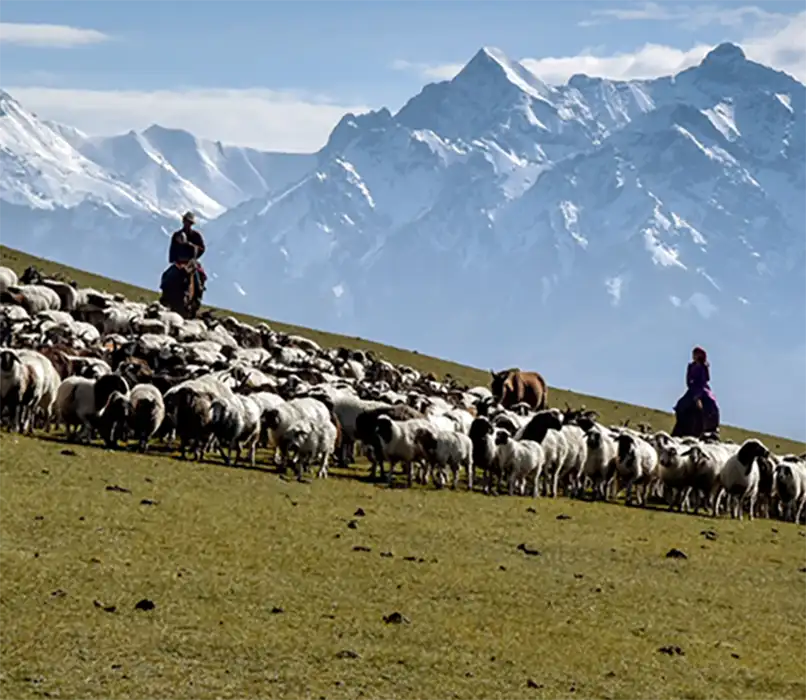
Landscape Verification
Project
This project aims to develop a comprehensive Monitoring, Evaluation, and Learning (MEL) framework using a landscape-based approach.
In collaboration with local and international partners as well as local government entities, the RSC is testing this approach to monitor environmental impact at the ecosystem level. The initiative seeks to provide valuable insights into the implementation of a holistic multi-stakeholder MEL framework for global rangeland ecosystems.
The Landscape Verification Project is supported by ISEAL (International Social Environmental Accreditation and Labelling) and conducted in collaboration with the SFA (Sustainable Fibre Alliance).
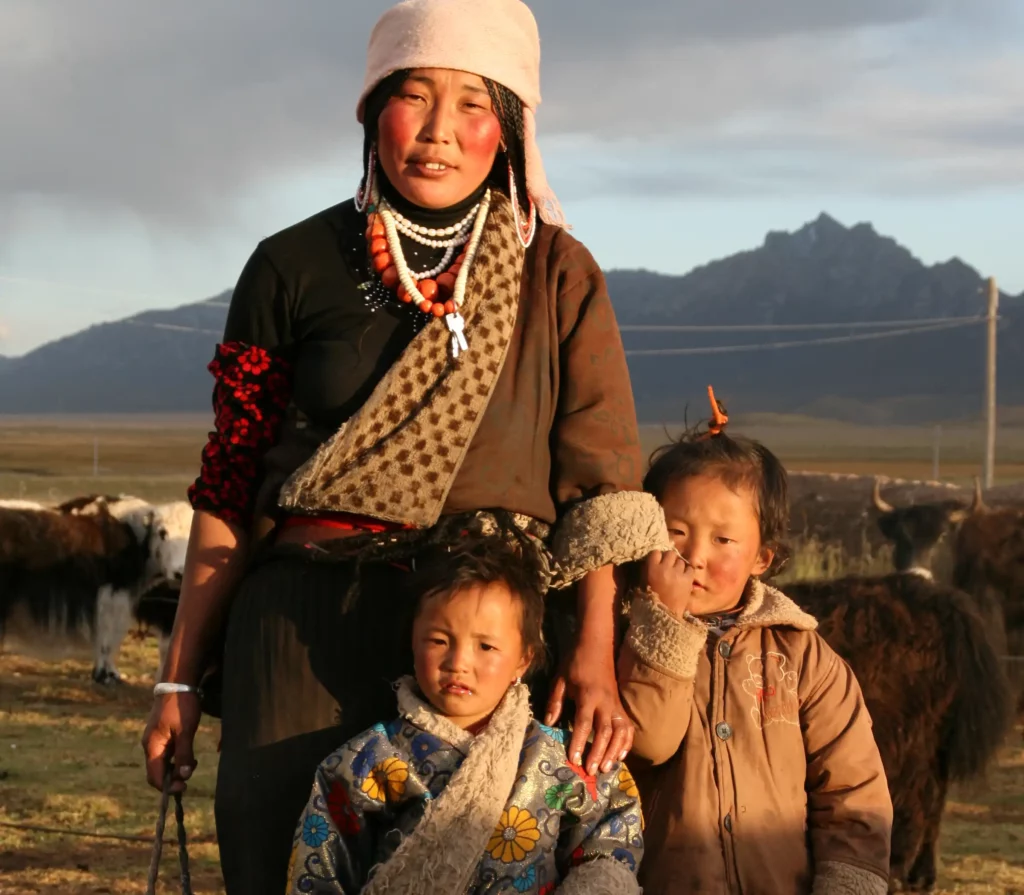
Rangeland Research
Decent Work, Gender and Family Health
The findings from the Rangeland Research on Decent Work, Gender and Family Health provide a critical foundation for informing the development of a rangeland standard.
By understanding the nuances of family roles, social dynamics, and the specific contributions of women herders, the aim is to integrate these insights into a standard that is sustainable, inclusive and responsive to the diverse needs of pastoral communities.
This research was conducted in collaboration with the Sustainable Fibre Alliance (SFA), Colorado State University, and the Nutag Action Research and Training Center.

PARTNER PROJECTS
Our esteemed partners are leading the way in advancing rangeland stewardship through a variety of exceptional projects. These initiatives showcase dedicated approaches and sustainable preactices that preserve and enhace our rangelands and biodiversity, while also safeguarding livelihoods.
STELARR Project
The overall objective of the Sustainable Investments for Large-Scale Rangeland Restoration (STELARR) project is “to reverse rangeland degradation and improve productivity of rangelands globally through sustainable livestock value chains, and thereby reduce poverty and secure livelihoods, with inclusive benefits to women and youth”.
IYRP Initiative
The International Year of Rangelands and Pastoralists aims to raise awareness and advocate for the value of healthy rangelands and sustainable pastoralism, as well as advocating for the need to further build the capacity of and increase responsible investment in the pastoral livestock sector.
B4L Strategy
The Business4Land strategy, presented by UNCCD during the World Economic Forum 2024 in Davos, seeks to mobilize the power of the private sector to advance Land Degradation Neutrality by enabling transition from our current extractive and extensive land-use models towards sustainable land management.
BIA for Mountains & Islands Programme
The Business Incubator and Accelerator (BIA) for Mountains and Islands programme aims to increase mountain and island communities’ resilience by supporting innovative entrepreneurship in agricultural and textile value chains through the provision of grants, technical assistance and capacity development.
Tell us what you think.
Share your thoughts on our projects and find out how you can
make a difference!